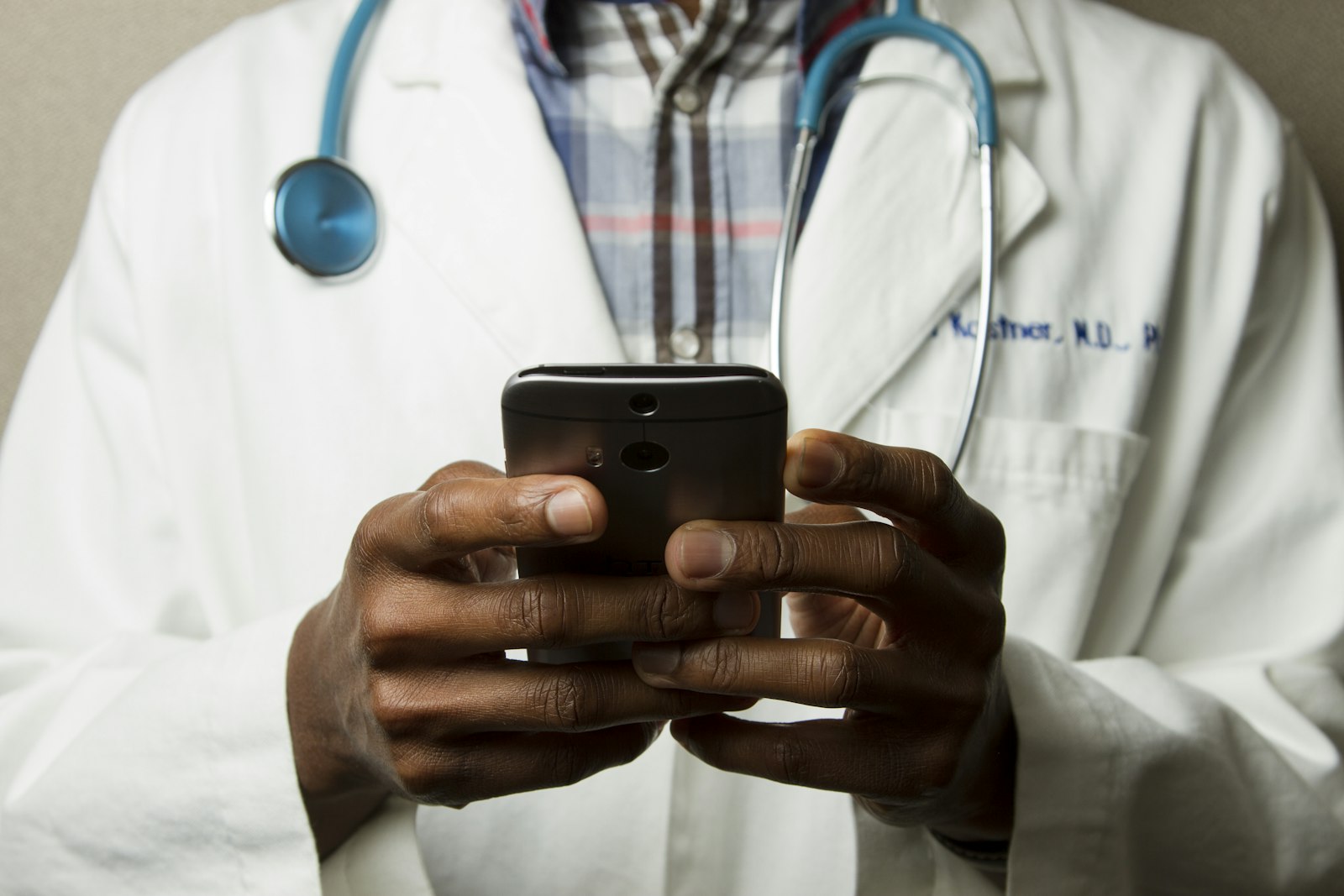
In a modern hospital, data quietly works alongside doctors and nurses. It predicts which patient might deteriorate tonight, ensures the ICU has enough beds tomorrow, and spots a disease outbreak before it spreads.
Healthcare is one of the most meaningful places data analytics is applied — decisions here don't just save money, they save lives. Here's how it works, with real examples, and why healthcare analytics is a growing career field.
The Data Hospitals Generate Every Day
A single hospital produces enormous, varied data:
- Electronic Health Records (EHR) — Every diagnosis, prescription, lab result, and doctor's note, digitized per patient.
- Vital signs and monitoring data — Heart rate, blood pressure, and oxygen levels streaming from bedside monitors.
- Operational data — Admissions, discharges, bed occupancy, staff schedules, and waiting times.
- Imaging and lab data — X-rays, scans, and test results.
- Billing and insurance data — Costs, claims, and payments.
For decades this data sat in files and silos. Analytics turns it into action.
Use Case 1: Predicting Patient Risk Before Crisis
The most life-saving application:
- Early deterioration warning — Models continuously analyze vital signs and lab trends to flag patients whose condition is quietly worsening — often hours before obvious symptoms. Nurses get an alert; intervention happens early.
- Readmission risk prediction — Analytics identifies which discharged patients are most likely to return within 30 days, so hospitals arrange follow-up calls, home care, or medication support for exactly those patients.
- Sepsis detection — Sepsis kills fast and shows subtle early signals. Data-driven alerts scanning vitals and labs have measurably improved early treatment in hospitals worldwide.
The pattern: Analytics doesn't replace clinical judgment — it directs attention to the right patient at the right time.
Use Case 2: Running the Hospital Efficiently
Operational analytics keeps care available:
- Bed and capacity management — Forecasting admissions (by season, day of week, even weather) lets hospitals plan beds and staffing before crowds arrive, not after.
- Emergency department flow — Analyzing waiting times reveals bottlenecks — triage delays, lab turnaround, discharge holdups — that process changes can fix.
- Staff scheduling — Matching nurse and doctor rosters to predicted patient load reduces both burnout and understaffing.
- Supply and medicine inventory — Demand forecasting prevents both shortages of critical drugs and waste from expiring stock.
Every bed freed and hour saved is capacity for another patient — efficiency here is care.
Use Case 3: Public Health and Disease Surveillance
Beyond single hospitals, data protects populations:
- Outbreak detection — Rising patterns of similar symptoms across clinics can flag an outbreak (dengue, flu, food-borne illness) days earlier than traditional reporting.
- Vaccination and program tracking — Data identifies coverage gaps by region so campaigns target where they're needed most.
- Resource planning — Governments use health data to decide where new clinics, ICU capacity, or specialists are most urgently needed.
The COVID-19 pandemic made this visible to everyone: case dashboards, positivity rates, and capacity tracking were healthcare analytics operating in public view.
Use Case 4: Improving Treatment and Research
- Treatment effectiveness analysis — Comparing outcomes across thousands of patients reveals which treatments work best for which patient profiles.
- Clinical trial analytics — Data teams design and analyze the trials behind every new medicine.
- Medical imaging AI — Machine learning assists radiologists by flagging potential findings in X-rays and scans for review — a fast-growing assistive field.
- Personalized medicine — The frontier: using patient data (including genetics) to tailor treatment to the individual rather than the average.
Real Challenges in Healthcare Data (What Professionals Actually Face)
Healthcare analytics is impactful and genuinely hard — which is why skilled people are valued:
- Privacy is paramount — Health data is among the most sensitive data anywhere. Strict regulations, anonymization, and access controls govern all work.
- Data quality is messy — Handwritten-note legacies, inconsistent coding, and missing values make cleaning skills essential.
- Systems don't talk to each other — Different hospitals and machines produce incompatible formats; integrating them is ongoing work.
- Stakes demand rigor — A misleading analysis in retail costs money; in healthcare it can affect care. Careful methodology and honest uncertainty communication are professional requirements.
Careers in Healthcare Analytics
A growing field with meaningful work:
- Healthcare data analyst — Builds reports and dashboards on patient flow, quality metrics, and outcomes. Core skills: SQL, Excel, BI tools, and healthcare domain knowledge.
- Clinical data analyst — Works closer to medical data — labs, treatments, trial data — often supporting research.
- Health informatics specialist — Bridges clinical staff and data systems, improving how data is captured and used.
- Public health analyst — Works with population-level data at agencies and NGOs — a significant employer in many countries, including development-sector roles across South Asia.
Entry insight: The analyst toolkit (SQL, BI, statistics) transfers directly into healthcare — domain knowledge is learnable on the job, and demand for data-skilled people in health systems keeps rising globally.
Frequently Asked Questions (FAQ)
How is data analytics used in hospitals? For predicting patient risk (deterioration, readmission), managing operations (beds, staffing, supplies), improving treatment decisions, and supporting public health surveillance.
What is predictive analytics in healthcare? Using historical patient data to forecast future events — like which patients face high readmission risk — so care teams can intervene early.
Do I need a medical background for healthcare analytics? No — most healthcare analysts come from data backgrounds and learn the domain on the job. Curiosity about healthcare and strong data fundamentals matter most.
Is patient data safe when used for analytics? Legitimate healthcare analytics operates under strict privacy regulations — data is de-identified, access-controlled, and governed. Privacy protection is a core part of the profession.
Is healthcare data analytics a good career? Yes — combining strong demand, job stability, and unusually meaningful impact. Health systems worldwide are investing heavily in data capabilities.
Skills That Matter, Applied Where They Matter Most
Healthcare shows data analytics at its most meaningful — the same SQL, statistics, and dashboard skills, applied to saving lives.
At Data Solution 360, we build exactly those transferable foundations through real-world projects across industries — preparing you for impactful fields like healthcare analytics.
Want data skills that make a difference? Start your journey with Data Solution 360 today.
Published by Data Solution 360 — turning data learners into industry professionals.