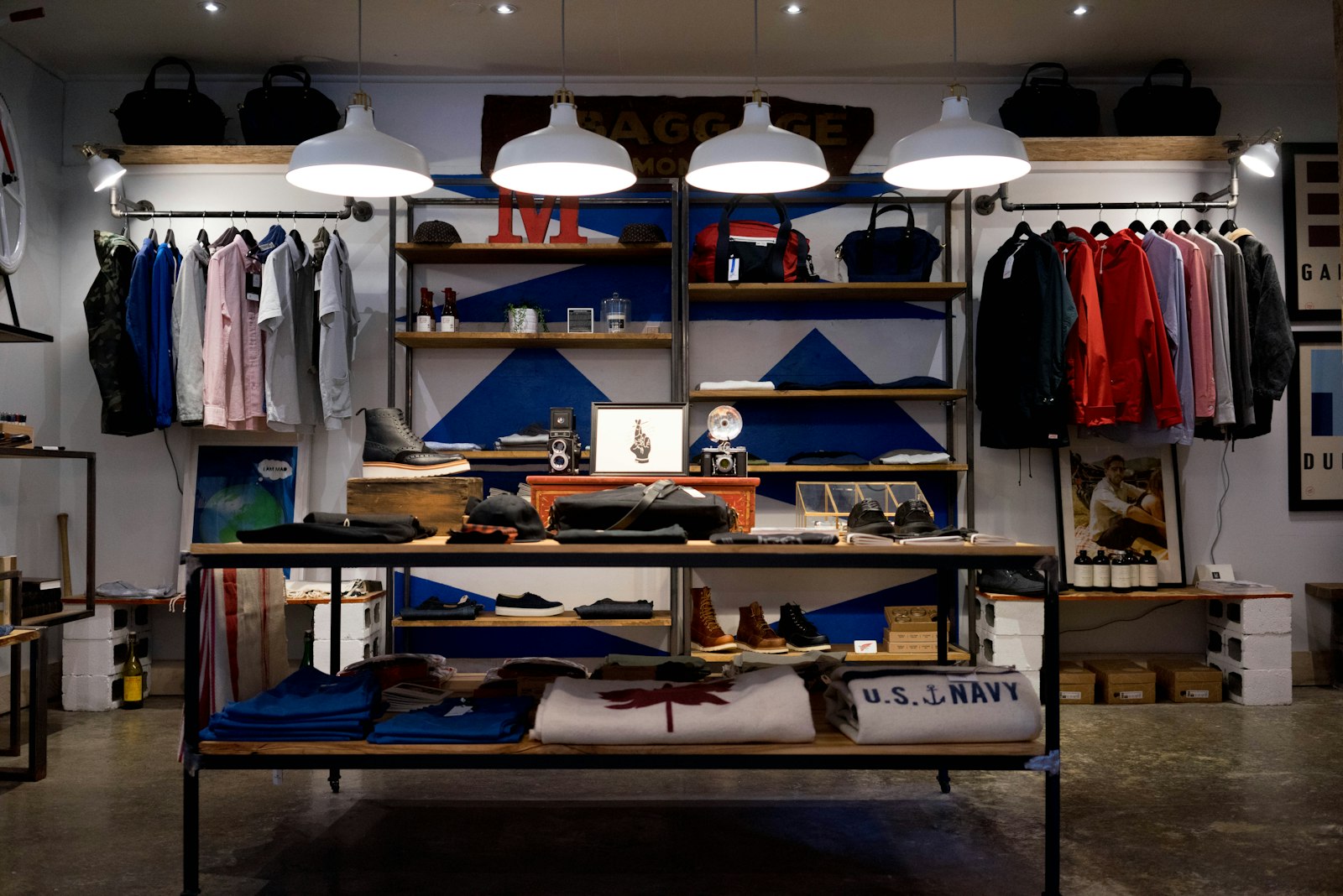
Walk into any well-run supermarket and you're walking through the output of data analytics: the products at eye level, the items placed beside each other, the stock that never seems to run out before a festival, and the discount that appears exactly when you were about to switch brands.
Retail — both physical stores and online — is a data battlefield. The retailers who analyze best, sell most. Here's how they do it.
The Data Retailers Collect
Every retail operation generates rich, continuous data:
- Point-of-sale (POS) data — Every receipt: what sold, when, at what price, with what else in the same basket.
- Inventory data — Stock levels, deliveries, shrinkage, and shelf life across every location.
- Customer data — Loyalty programs, memberships, and online accounts linking purchases to people over time.
- Foot traffic and store data — Visitor counts, peak hours, and increasingly in-store movement patterns.
- Online behavior — For e-commerce and omnichannel retailers: views, searches, carts, and clicks.
Use Case 1: Demand Forecasting — Stocking Tomorrow, Today
The heart of retail analytics:
- What it solves: The two classic retail disasters — empty shelves (lost sales, disappointed customers) and overstock (tied-up cash, waste, clearance losses).
- How it works: Models combine historical sales, seasonality, festivals and paydays, promotions, weather, and trends to forecast demand per product, per store, per week.
- Real examples: Cold drinks and ice cream forecast to weather; festival demand (Eid, Puja, New Year) planned months ahead; fresh food ordered daily to minimize waste.
- The payoff: Even a few percentage points of forecast improvement transforms retail profitability — this is why forecasting analysts are permanently in demand.
Use Case 2: Market Basket Analysis — What Sells Together
The famous "beer and diapers" style of insight:
- What it is: Analyzing millions of receipts to find products frequently bought together.
- How retailers use it: Placing associated items near each other, building combo offers, and designing store layouts that follow natural shopping patterns.
- Online equivalent: "Frequently bought together" recommendations — the same analytics, digital shelf.
Use Case 3: Pricing and Promotion Analytics
- Price elasticity analysis — Data reveals which products customers will pay more for and which are fiercely price-sensitive — guiding where margins can grow safely.
- Promotion effectiveness — Did the discount create new sales, or just give margin away to purchases that would've happened anyway? Analytics answers honestly (and often surprisingly).
- Markdown optimization — For fashion and seasonal goods: when and how deeply to discount aging stock to maximize recovered value.
Use Case 4: Customer Analytics and Loyalty
Knowing customers beats guessing:
- Segmentation — Grouping shoppers (families stocking up weekly, young professionals buying convenience, bargain hunters) so offers and communication fit each group.
- Personalized offers — Loyalty data enables individual-level promotions: the discount on your regular brand, timed to your shopping rhythm.
- Churn and win-back — A regular customer who stops appearing gets noticed by the data — and often a "we miss you" offer before they're gone for good.
- Lifetime value focus — Retailers increasingly measure customers in years, not transactions — changing how much they'll invest to keep you.
Use Case 5: Store Operations and Layout
- Staffing to traffic — Scheduling cashiers and floor staff to predicted busy hours cuts both queues and idle labor cost.
- Shelf and planogram analytics — Which placements sell: eye-level vs. bottom shelf, aisle ends, checkout displays — measured, not guessed.
- Store performance comparison — Analytics separates stores underperforming due to location from those with fixable operational issues.
- Shrinkage analysis — Data patterns help identify where inventory loss (theft, damage, error) concentrates.
Use Case 6: Omnichannel — Connecting Online and Offline
Modern retail's frontier:
- The challenge: The same customer browses online, buys in-store, returns by app. Retailers stitch these into one customer view.
- The analytics: Unified data reveals true customer behavior across channels — enabling "buy online, pick up in store," consistent pricing, and accurate marketing measurement.
- Why it matters for careers: Omnichannel integration is a massive ongoing data project at virtually every major retailer, creating sustained analyst demand.
Retail Analytics in Bangladesh and Emerging Markets
The retail data wave is fully arriving in markets like Bangladesh:
- Superstores and chains (grocery, pharmacy, fashion) increasingly run loyalty programs and POS analytics.
- E-commerce and q-commerce growth — Online retail and rapid grocery delivery run entirely on demand forecasting and funnel analytics.
- Distribution analytics — FMCG companies analyze retailer-level sales data across thousands of small shops — a uniquely important use case in markets built on traditional trade.
- The opportunity: Local retailers are earlier in the analytics journey than global giants — meaning skilled analysts can create visible impact fast.
Careers in Retail Analytics
- Retail data analyst — Sales reporting, promotion analysis, and store performance dashboards. Entry-friendly: SQL + Excel + BI.
- Demand planner / forecasting analyst — Owns the forecast; blends analytics with supply chain coordination. Highly valued, clear career ladder.
- Category analyst — Deep analysis of one product category: assortment, pricing, and supplier performance.
- Customer insights analyst — Loyalty data, segmentation, and campaign measurement.
- E-commerce analyst — Funnels, conversion, and digital marketing analytics for online retail.
Frequently Asked Questions (FAQ)
How do retail stores use data analytics? To forecast demand, optimize stock and pricing, analyze what sells together, personalize offers through loyalty programs, plan staffing, and improve store layouts — all aimed at selling more with less waste.
What is market basket analysis? Analyzing purchase receipts to discover products frequently bought together, informing product placement, bundles, and recommendations.
How does demand forecasting work in retail? Models learn from historical sales plus factors like seasonality, festivals, promotions, and weather to predict future demand per product and location — driving ordering and stocking decisions.
Do small retailers need data analytics? Yes, scaled appropriately — even analyzing POS exports in Excel reveals best-sellers, dead stock, and peak hours. The thinking matters more than tool sophistication.
What skills do retail analysts need? SQL, Excel, BI dashboards, forecasting basics, and strong business communication — plus curiosity about why customers buy what they buy.
Learn Retail Analytics With Real Retail Data
Everything above is learnable by doing — analyzing real sales data, building forecasts, and creating the dashboards retail managers actually use.
At Data Solution 360, our project-based programs include exactly these retail scenarios, taught the way the industry practices them.
Want to become the analyst every retailer is looking for? Start with Data Solution 360 today.
Published by Data Solution 360 — turning data learners into industry professionals.