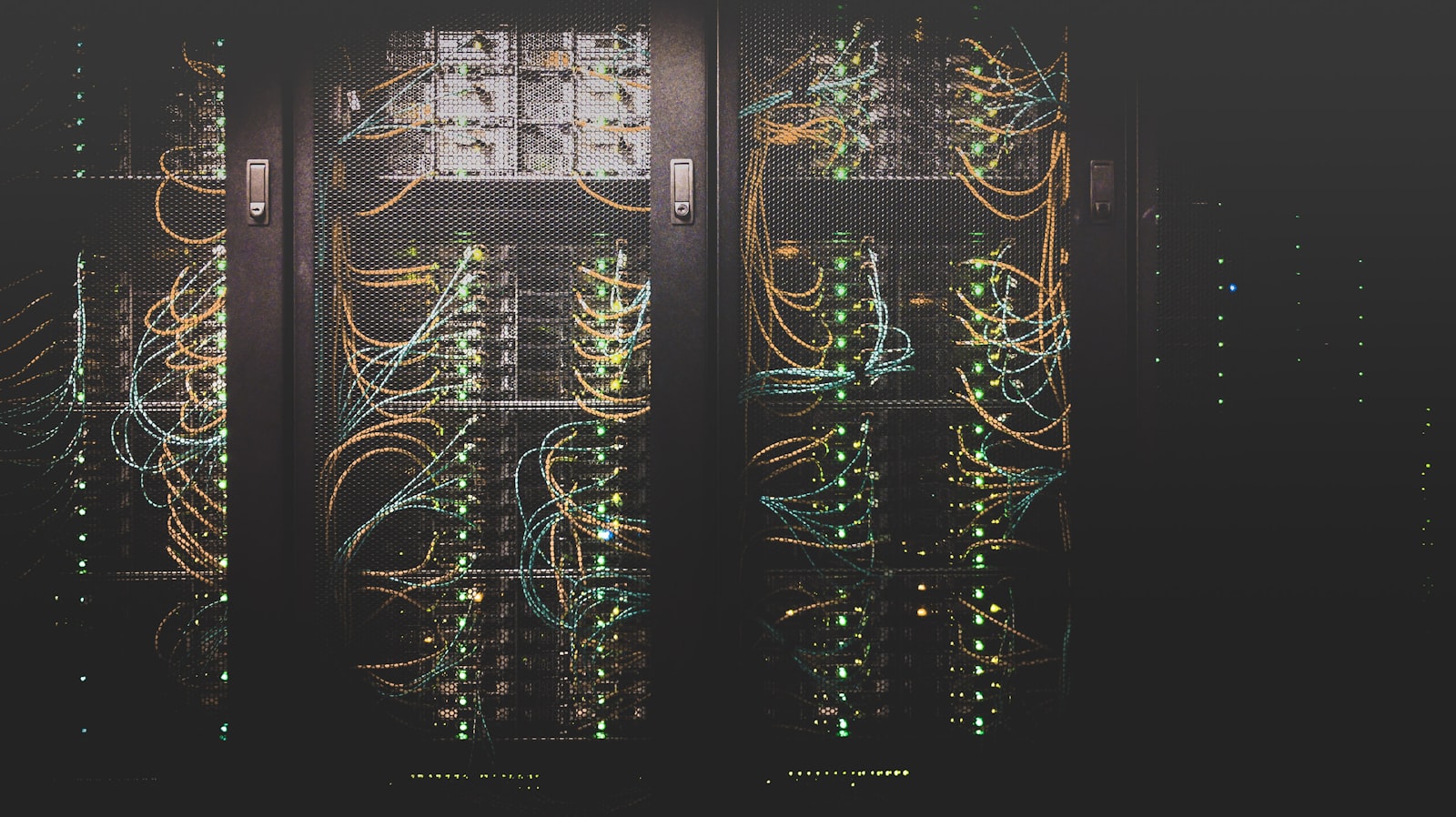
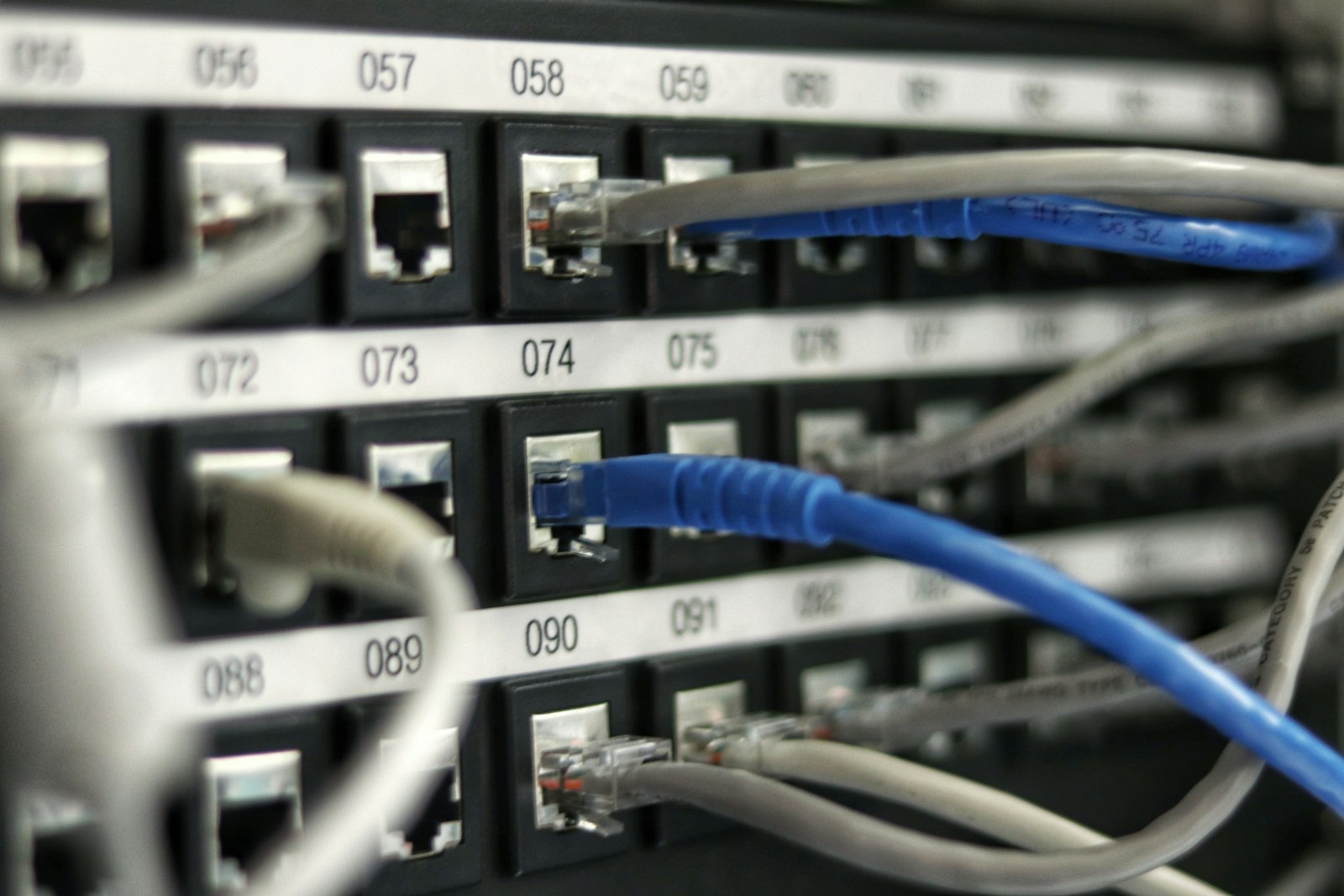
If a company's databases are like the cash registers in every branch of a store, the data warehouse is the head office where all the records come together — organized, historical, and ready to answer any question about the business.
Every serious company has one, every data job touches one, and yet most beginners finish their courses without truly understanding what a warehouse is. This guide fixes that — simply, with real examples.
Data Warehouse: The Simple Definition
A data warehouse is a central storage system where a company combines data from all its different sources, organized specifically for analysis and reporting.
The key words are:
- Central — One place, instead of data scattered across dozens of systems.
- Combined — Sales, marketing, finance, and operations data joined together.
- For analysis — Designed to answer big questions fast, not to run daily operations.
Why Can't Companies Just Use Their Regular Databases?
This is the question that makes warehouses make sense. Regular (operational) databases have three problems for analysis:
- They're scattered — The orders database doesn't know about marketing campaigns. The payment system doesn't know about support tickets. Answering "Do customers who see ads spend more?" is impossible when the data lives in separate systems.
- They're busy running the business — A heavy analytical query scanning millions of rows could slow down the same database processing live customer orders. Companies protect operations by keeping analysis separate.
- They forget history — Operational systems often keep only current state (your current address, the order's current status). Warehouses preserve history, so you can analyze how things changed over time.
The warehouse solves all three: one place, built for big queries, with full history.
How a Data Warehouse Is Organized: Facts and Dimensions
Warehouses use a design called dimensional modeling — and once you see it, every warehouse in the world makes sense.
Fact Tables: The Events
- What they hold: Business events, one row per event — every order, every payment, every website visit.
- Example: A
fact_orderstable with order ID, date key, customer key, product key, quantity, and amount. - Character: Millions or billions of rows, mostly numbers and keys.
Dimension Tables: The Context
- What they hold: Descriptive details about the things involved in events.
- Examples:
dim_customers(name, city, segment),dim_products(name, category, price),dim_dates(day, month, quarter, year). - Character: Smaller tables, rich in descriptive text.
The Star Schema
Draw the fact table in the middle with dimension tables around it, and it looks like a star — hence star schema. Business questions become simple joins:
"Monthly revenue by product category in Dhaka" =
fact_ordersjoined todim_dates,dim_products, anddim_customers, filtered and grouped.
This structure is why warehouse queries are fast and why analysts can answer almost any question with a few JOINs.
How Data Gets Into the Warehouse
Data doesn't appear in the warehouse by magic:
- Extract — Automated pipelines pull data from source systems (apps, payment gateways, CRMs) on a schedule.
- Load — Raw data lands in the warehouse.
- Transform — Inside the warehouse, data is cleaned, standardized, and modeled into those fact and dimension tables.
This process (ELT) typically runs daily or hourly — which is why dashboards say "data as of last night."
Popular Data Warehouse Tools in 2026
- Snowflake — A cloud warehouse known for ease of use and scalability; extremely popular globally.
- Google BigQuery — Google's serverless warehouse; you just write SQL and it handles the rest.
- Amazon Redshift — AWS's warehouse offering, common in AWS-based companies.
- Microsoft Fabric / Azure Synapse — Microsoft's analytics platform, natural for Power BI-heavy companies.
Good news for learners: They all speak SQL. Master SQL and dimensional thinking, and you can work with any of them.
A Real Example: The Warehouse in Action
Imagine an e-commerce company's Monday morning:
- Overnight, pipelines loaded yesterday's 50,000 orders, web traffic logs, and marketing spend into the warehouse.
- Transformations updated
fact_orders,fact_web_visits, and refreshed dimensions. - At 9 AM, the sales dashboard (connected to the warehouse) shows weekend performance by region.
- An analyst notices a spike in one category, writes a SQL query joining orders to marketing data, and discovers a viral social post drove it.
- By noon, the marketing team doubles down on that campaign.
Every step — pipeline, model, query, dashboard, decision — ran through the warehouse.
What This Means for Your Data Career
- Analysts query warehouses daily — "Write SQL against our warehouse" is the core of most analyst jobs.
- Warehouse concepts are interview questions — Fact vs dimension tables, star schemas, and warehouse-vs-database differences come up constantly.
- It's the bridge to higher roles — Analytics engineers and data engineers build and model warehouses; understanding them opens that path.
- It makes you industry-ready — Courses teach clean CSV files; companies run on warehouses. Knowing the difference is knowing the industry.
Frequently Asked Questions (FAQ)
What is a data warehouse in simple words? A central storage system where a company combines data from all its systems, organized for fast analysis and reporting — the "single source of truth" for business questions.
What's the difference between a data warehouse and a database? A database runs daily operations (fast individual records, current state, one system). A warehouse supports analysis (big queries, full history, all systems combined).
What is a data lake, then? A data lake stores raw data of any type (files, logs, images) cheaply, before structure is applied. Many companies use a lake for raw storage and a warehouse for organized analysis; modern "lakehouse" platforms blend both.
Do data analysts need to know data warehousing? Yes — at minimum how to query one and how facts/dimensions work. Analysts who understand the warehouse debug faster, join data correctly, and stand out in interviews.
Which data warehouse should I learn first? Any — the skills transfer. BigQuery and Snowflake both offer free tiers/trials that are perfect for practice; what matters is SQL and dimensional modeling, not the logo.
Go Beyond Theory: Build With a Real Warehouse
Reading about warehouses is one thing. Loading messy data into one, modeling facts and dimensions, and querying it to answer real business questions — that's what makes the knowledge stick and what employers actually pay for.
At Data Solution 360, our project-based programs have you build and query warehouse structures the way real companies do, guided by industry experts.
Ready to work with data like the industry does? Explore Data Solution 360's programs today.
Published by Data Solution 360 — turning data learners into industry professionals.